

Courts could have to ‘fight fire with fire’ as AI spreads, Lord Reed says at society event

Courts might have to consider “fighting fire with fire” by deploying artificial intelligence (AI) in response to a “huge increase” of claims being enabled by the technologies, The Right Hon The Lord Reed of Allermuir has suggested.
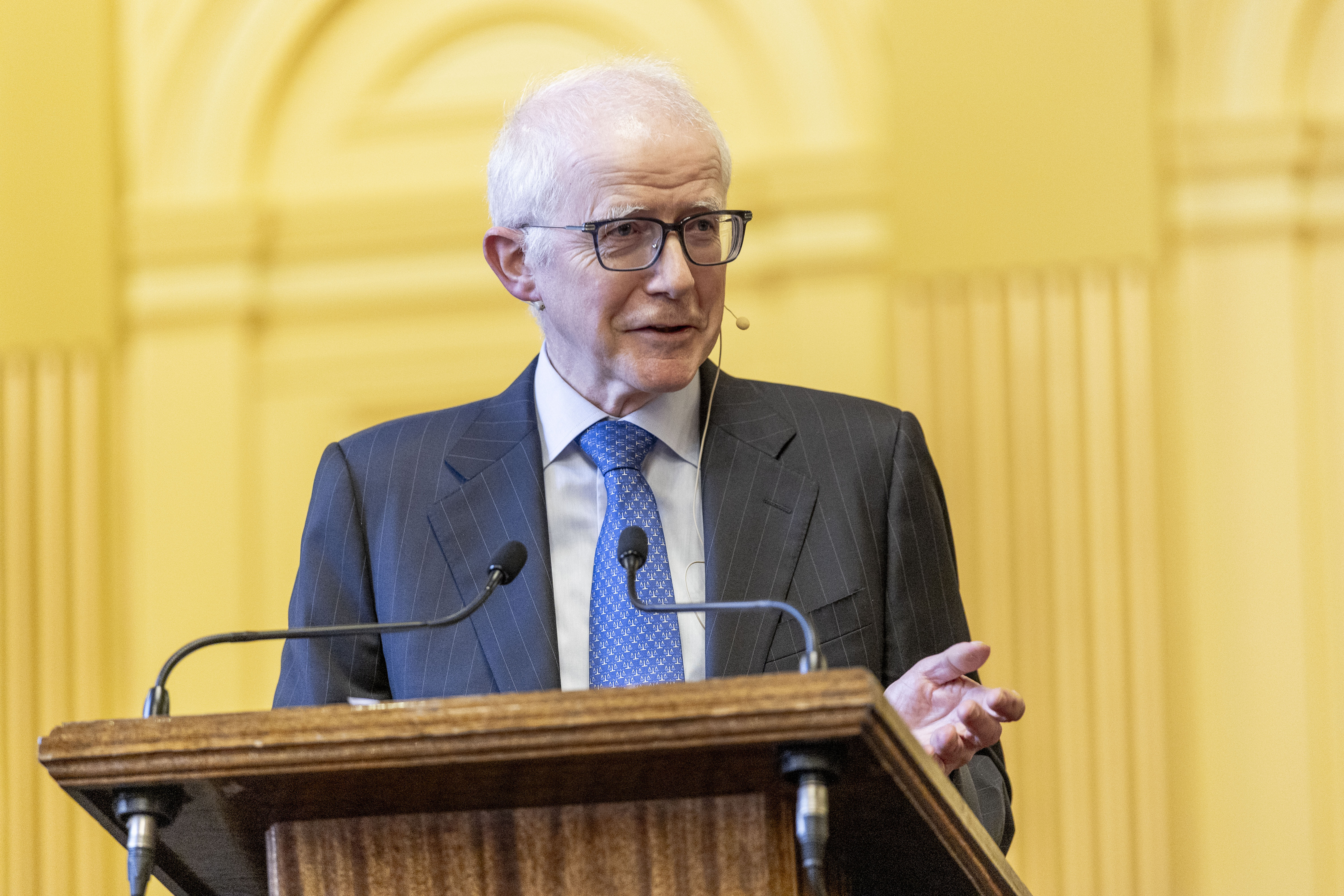
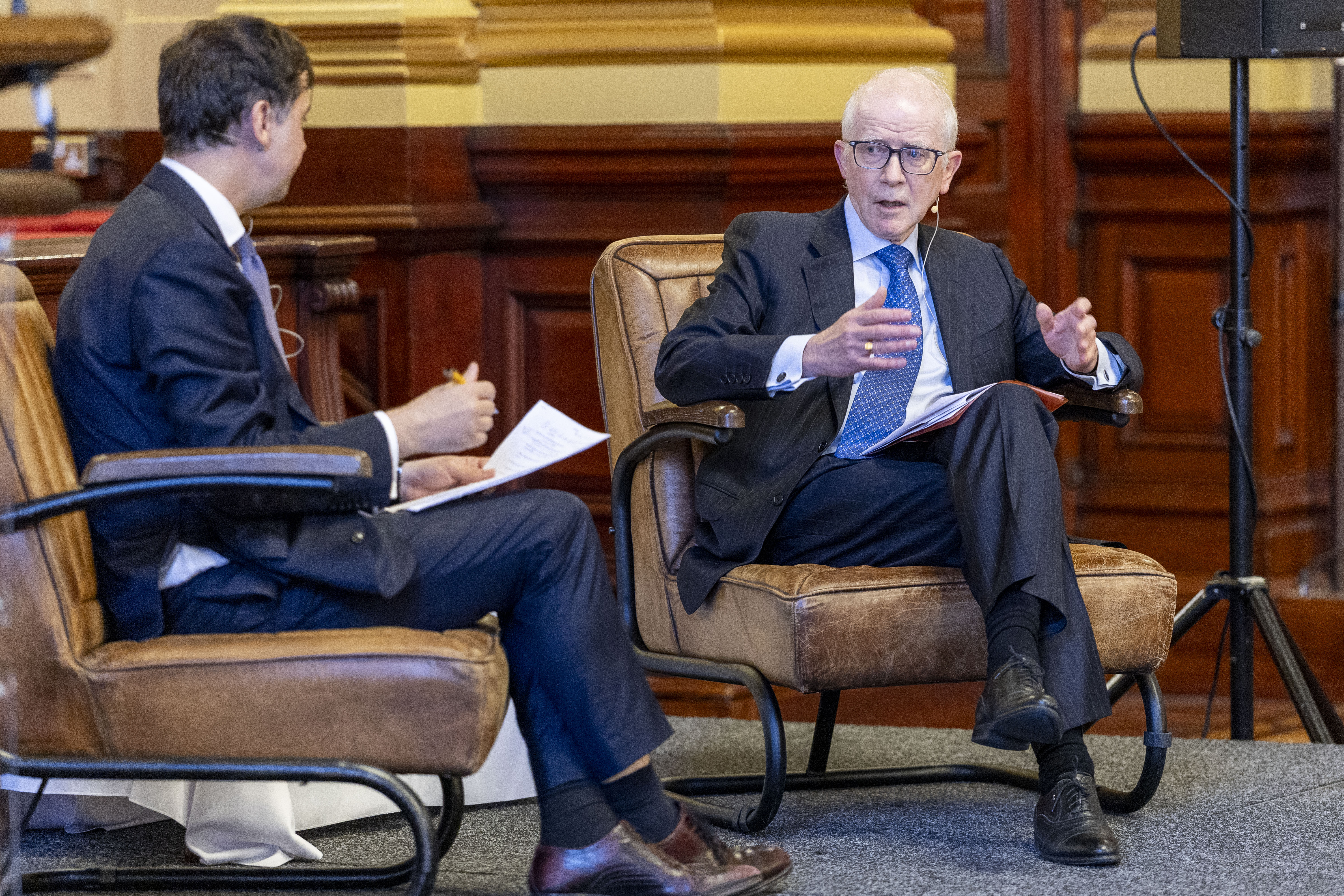
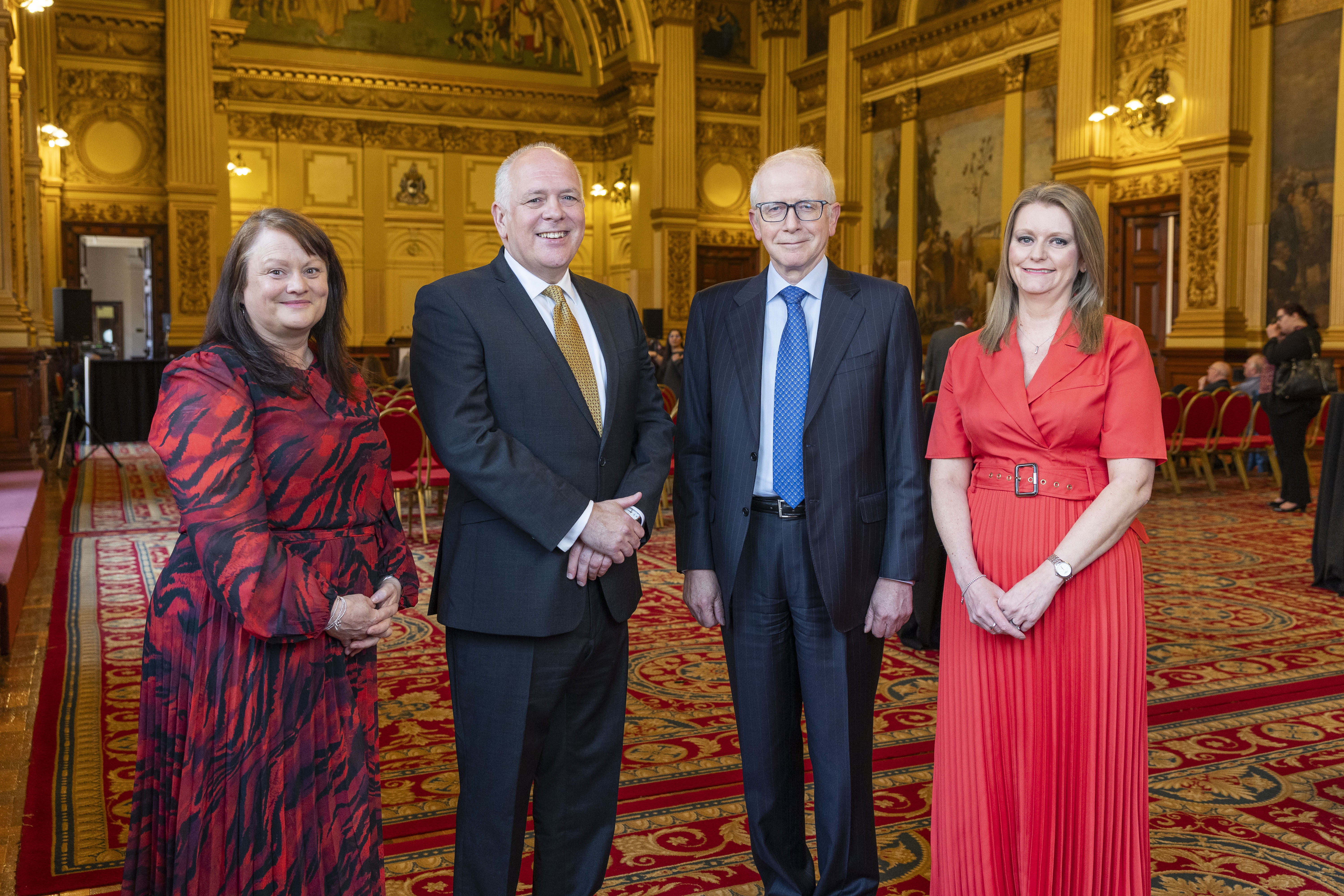
Speaking at a Law Society of Scotland event that coincided with the Supreme Court sitting for a week of hearing appeals in Glasgow, the president of the UK’s highest court discussed topics including accessibility of the institution, fallout from controversial cases and the importance of clear communication.
The conversation at Glasgow City Chambers on Wednesday evening (20 May) was led by Niall McLean, a partner at Brodies and standing junior counsel to the Scottish government. Asked by McLean about the biggest challenge facing the Supreme Court in the coming years, Lord Reed’s answer was immediate – AI, for several different reasons.
“The changes that AI brings about in society are going to result in new legal questions coming to the court,” he said. “Whether it's its role in administrative decision-making presenting new challenges for administrative law, or it could be its role in, for example, cars presenting new issues in law about personal injuries.”
Every aspect of society will be affected, he continued, and the tools are already resulting in a huge increase in the number of claims being brought before courts. The current difficulty faced by ordinary people wishing to bring legal claims could be reduced, he suggested.
“If AI makes it easier, in principle that's a good thing, as people have more access to their legal rights. But we're going to have to find ways of responding to that, and I suspect it would be a question of ‘fighting fire with fire’ and using and building AI into the way we deal with cases, so that we can manage the increased workload, or perhaps divert it into alternative dispute resolution mechanisms.”
Bringing the highest court into the open
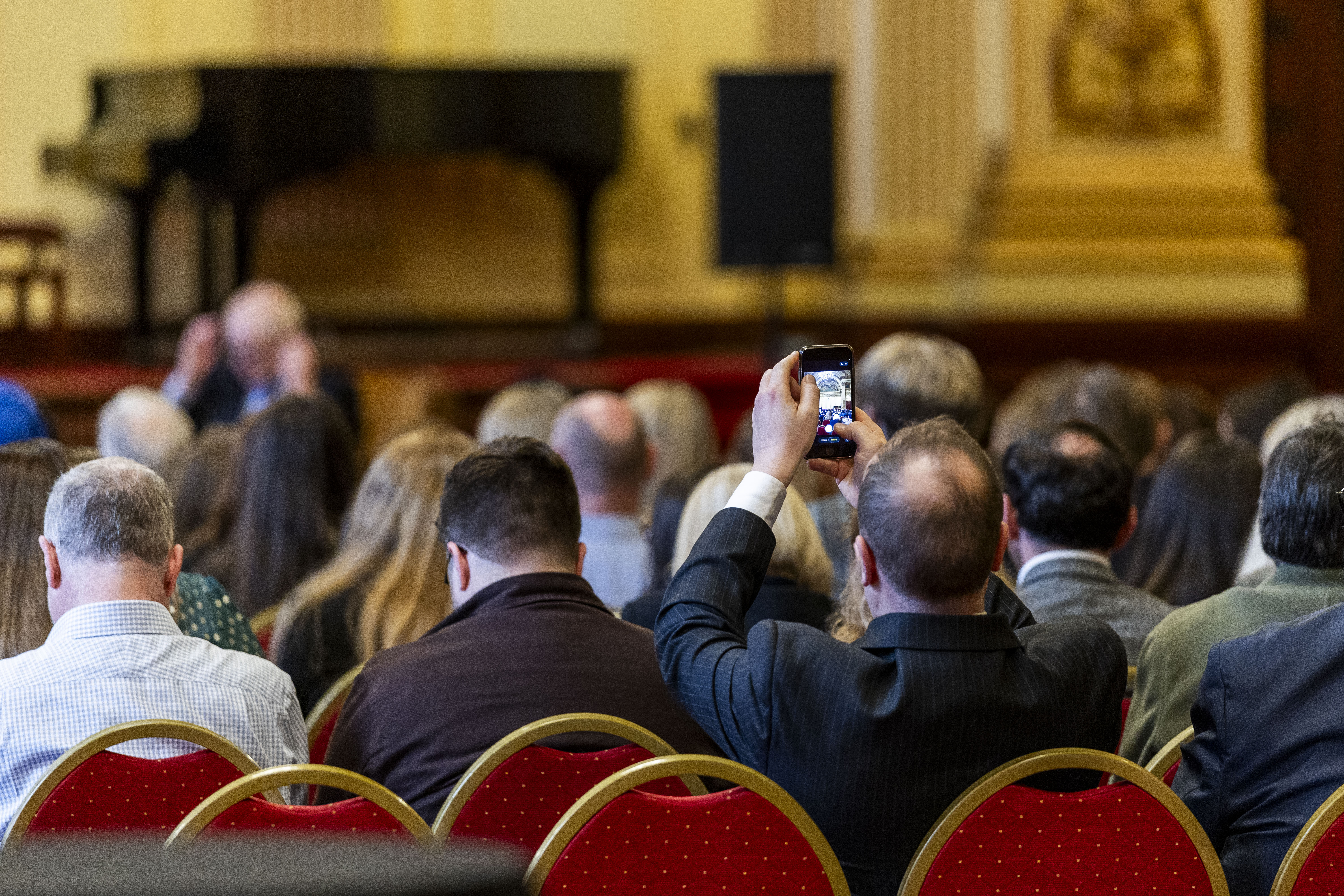
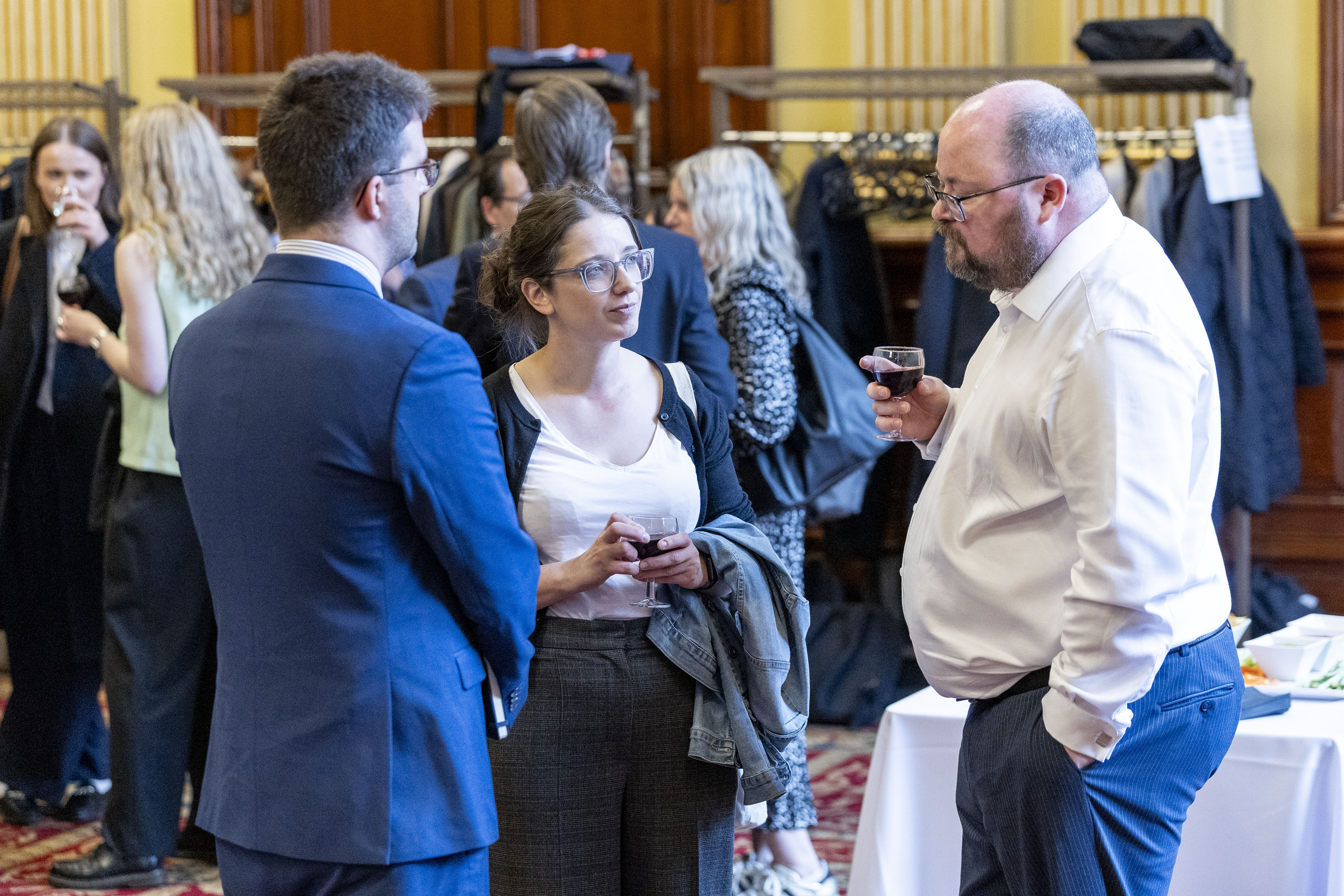
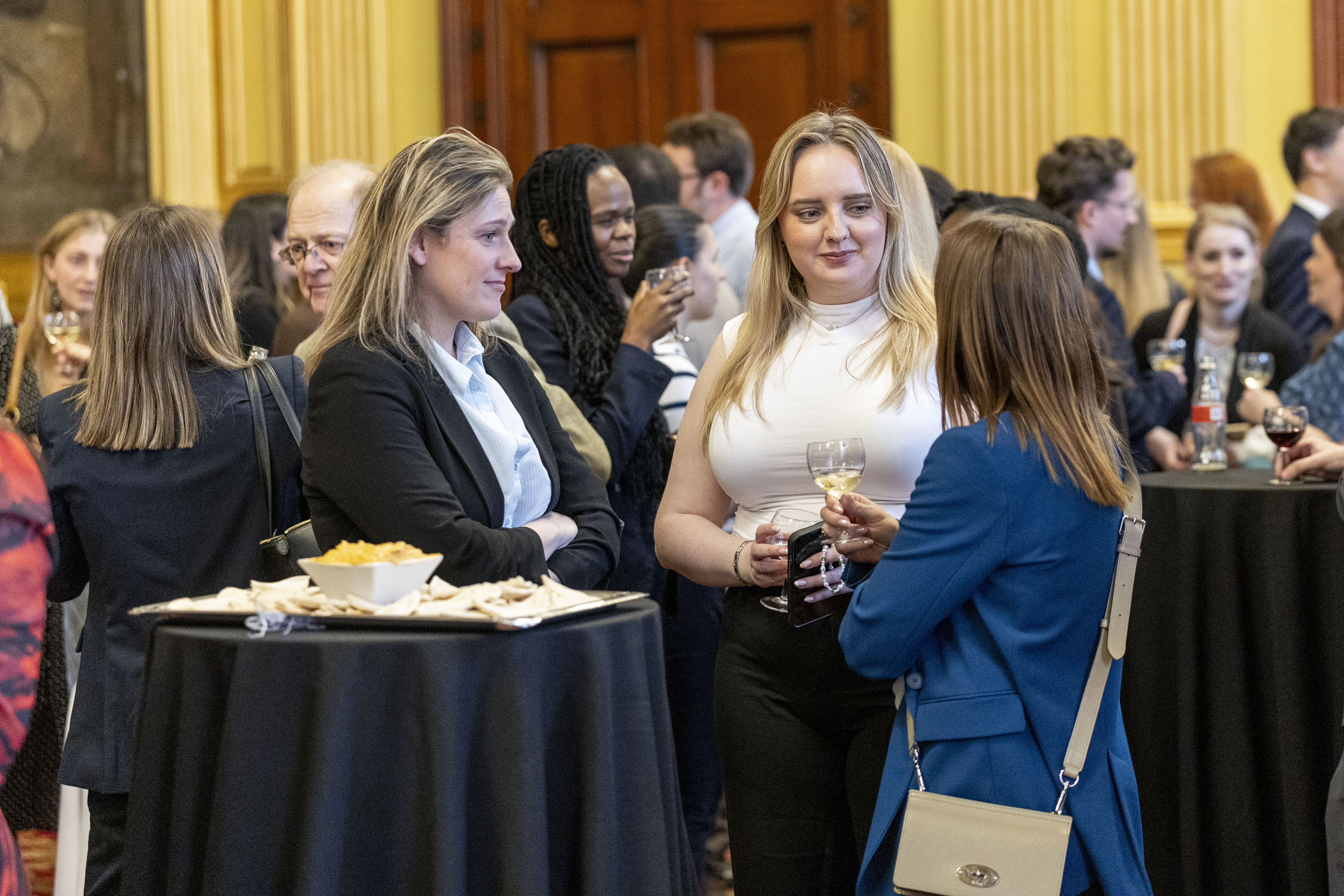
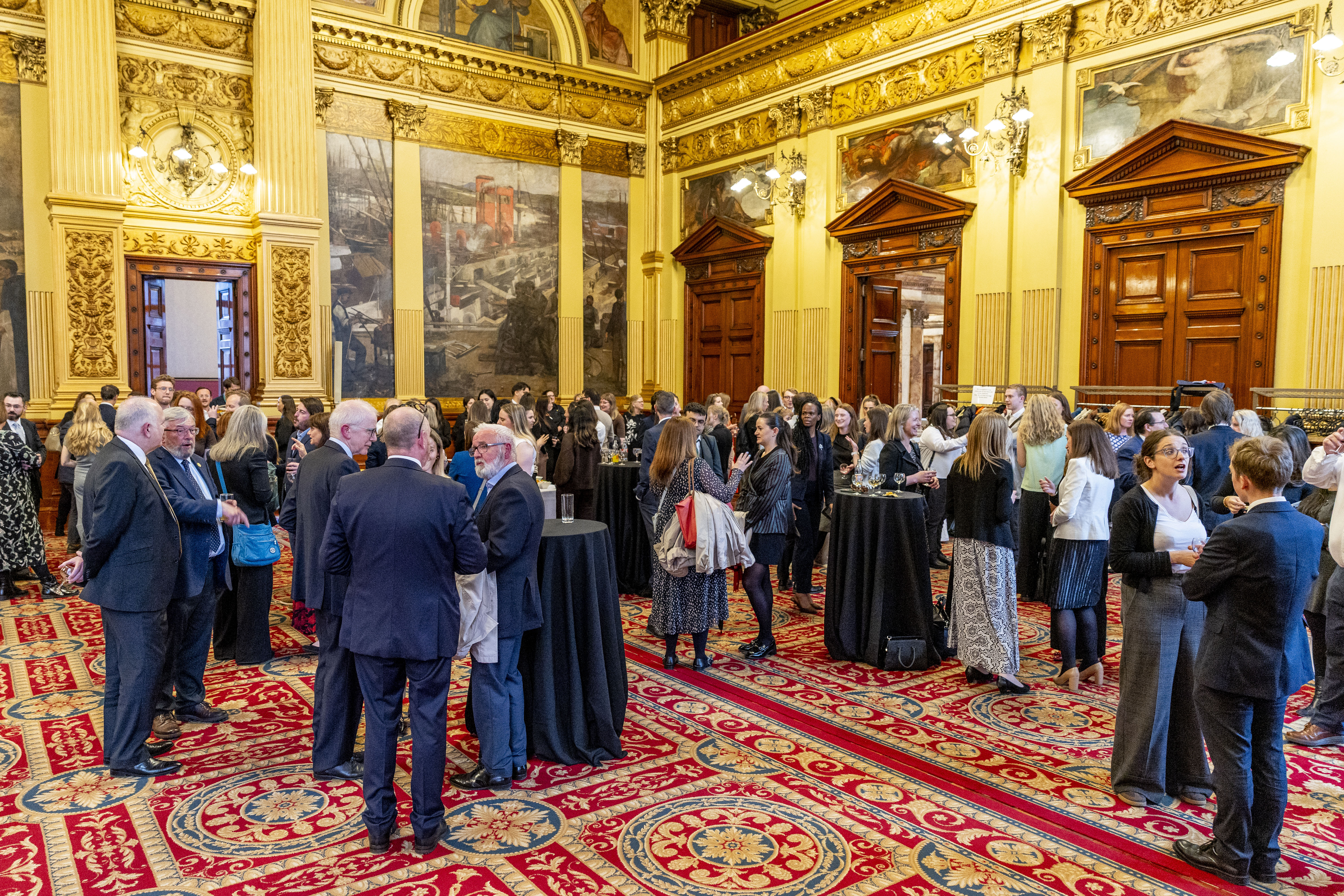
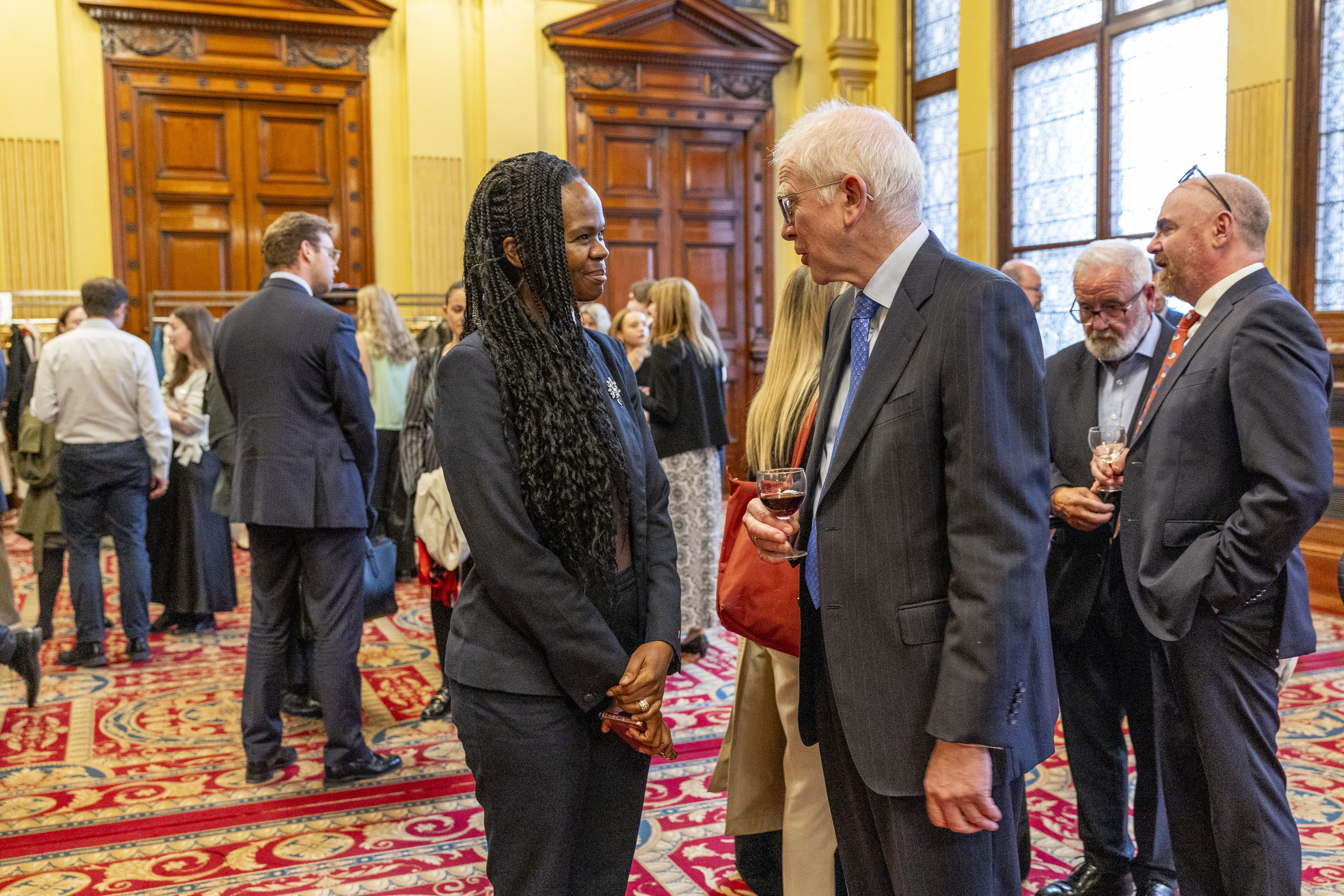
Taking place as the highest court of appeal sat in Glasgow for the first time, hearing cases including legal arguments in a long-running dispute over local restaurant Rogano, the evening event was attended by almost 200 guests.
“It's a privilege for the Supreme Court to come and sit here,” said introductory speaker John Mulholland, who will be taking up vice-presidency of the Law Society of Scotland at the end of the month before returning to the presidency next year. “The Supreme Court is based in London – and London, for many of us in Scotland, not only can seem geographically quite far away, but emotionally London is quite far away as well.”
Closing that distance has been a key aim of the court since its establishment 17 years ago, said Lord Reed. “Part of the thinking was to bring the workings of the highest court in the land out of a committee room in the most inaccessible corner of the Houses of Parliament, and bring it into the open and make it accessible to the public and much more transparent.”
He added: “I often read that we're an English court, a court that indeed decides Scottish appeals applying English law, and people get very indignant about that – as indeed they should, if it were true.” As a court for all four nations, he said, the Supreme Court includes justices from each nation and applies the law of all four.
As well as sitting remotely, the court has set out to improve accessibility and transparency with livestreams of proceedings and events with schools around the UK, particularly those in deprived areas.
Lord Reed was also asked about making decisions understandable to non-solicitors – an issue that involves fresh considerations in the social media era. “Younger people are used to information being communicated in a much shorter format, and obviously in a visual format,” he said.
“Even a fairly traditional medium – like BBC News for example – you think about how they communicate a legal story, it will be by personalising it… If we are going to communicate effectively to our citizens, which we have a responsibility to do, we're going to have to adapt to the way that more and more people in our society are used to absorbing information, and that's going to mean less use of text, more use of visual media, much shorter formats.”
An ambassador for the court
Lord Reed’s time at the Supreme Court will end in January 2027, when he plans to retire. Nominated as a senator of the College of Justice in 1998 by Tony Blair, he became a member of the Inner House in 2008 to 2012. Appointed as a Supreme Court Justice in February 2012, he served as deputy president from June 2018 before becoming president in January 2020, becoming a life peer upon appointment.
Over the years the court has moved away from the ways the House of Lords operated, Lord Reed said. Key cases in its 17 years have included the prorogation case during the government of Boris Johnson in 2019, and the government’s appeal over invoking Article 50 to leave the European Union following the Brexit vote.
Both were “very controversial”, Lord Reed said. “They did not land well in the political world and the court found itself the target of a great deal of criticism for judicial activism, not understanding its place in the constitution and so forth… There were briefings being reported in newspapers to the effect that the Supreme Court might be abolished.”
Lord Reed’s strategy to rebuild trust involved much more engagement with parliament, he said. He has also worked to strengthen ties between the Supreme Court and the courts of appeal in England, Wales and Northern Ireland, and the inner house in Scotland, as well as introducing more international outreach.
“All that has meant that although I sit in court more than any of my colleagues… I write fewer judgments than I used to. I write about half as many as my colleagues do, so the role has become one in which there is a much greater element of, if you like, being an ambassador for the court and being somebody who is setting a strategic direction for our management,” he said.
The experienced judge reflected on how his view of the law and the courts had been shaped by his interactions with mentors and colleagues. “I've had the great good fortune, throughout my career, to have worked with a succession of very able people from whom I learned a lot, and some of them had very strong views about the role of the courts, which I didn't necessarily always agree with – but you learn from it, whether you agree from it or you react against it.”
SPONSORED: Why law firms should invest in a cyber incident response simulation
Weekly roundup of Scots law in the headlines including calls to scrap Lord Advocate's dual role — Monday July 6
The end of the affair: Are partnerships no longer lawyers’ chosen corporate relationships?
Additional





Journal issues archive
Find all previous editions of the Journal here.